


Antimicrobial use in livestock
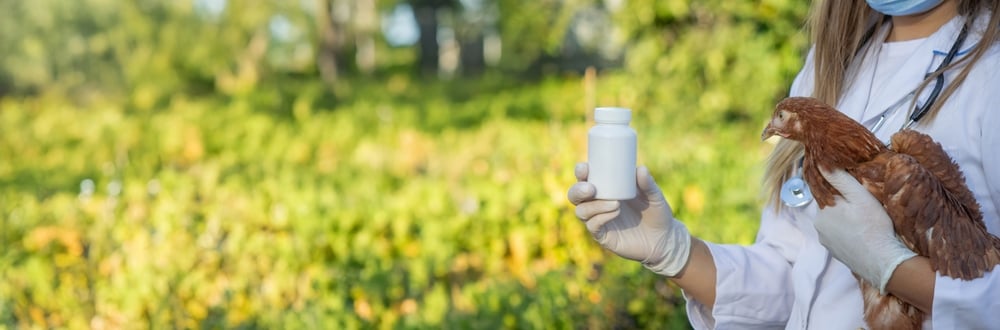
A new systematic review and evidence map, led by Global Strategy Lab (GSL) researchers Fiona Emdin, Kayla Strong, Jaskeerat Singh, Daniela Corno, Susan Rogers Van Katwyk, Arne Ruckert, and Mathieu J.P. Poirier, together with partners Heather Ganshorn (Associate Librarian, Libraries and Cultural Resources, University of Calgary) and Jeremy Grimshaw (Senior Scientist Emeritus, Clinical Epidemiology Program, Ottawa Hospital Research Institute), examines how governments worldwide are designing policy interventions to address antimicrobial use (AMU) and antimicrobial resistance (AMR) in production animals.
The study, published in the June 2026 edition of the Bulletin of the World Health Organization, analyzed 40 studies evaluating policy interventions, including bans or restrictions on specific antimicrobial uses, prescription-only policies, stewardship guidelines, and reduction targets, across multiple regions and livestock systems.
The review found that regulatory interventions such as bans and restrictions were frequently associated with reductions in antimicrobial use in livestock, with some studies reporting declines of 20–80%. These interventions were also linked to reductions in antimicrobial resistance in animals and humans.
However, the review identified significant gaps in the existing evidence base. No eligible studies were found in the Africa or Eastern Mediterranean regions, and 75% of included studies were assessed as being at high risk of bias. The findings also revealed a large evidence gap around which policies work and do not work in low- and middle-income countries, where rapidly developing livestock systems face social, economic, infrastructure and regulatory challenges.
In a companion commentary published in One Health, the authors draw out what these findings mean for policy, urging governments to look beyond bans and to ensure the policies they put in place are properly evaluated.
Further research to address the evidence gaps identified in this review will be shared in an upcoming publication.
This work is part of the Vet Policy Pathways project. Learn more here.
 Previous